Vape Culture: Examining the Emergence of Vaping in Contemporary Society
Vape culture has emerged as a prominent phenomenon among young adults, fueled by the pursuit of healthier choices and a wide range of flavor varieties. Social media amplifies this trend, presenting vaping as a socially acceptable choice. Nevertheless, the health-related consequences continue to be disputed, sparking ongoing debates about its potential risks. As vape retailers develop into neighborhood meeting points, the dynamics of this lifestyle continue to shift. What does the future hold for this expanding trend?
Why Are People Switching to Vaping?
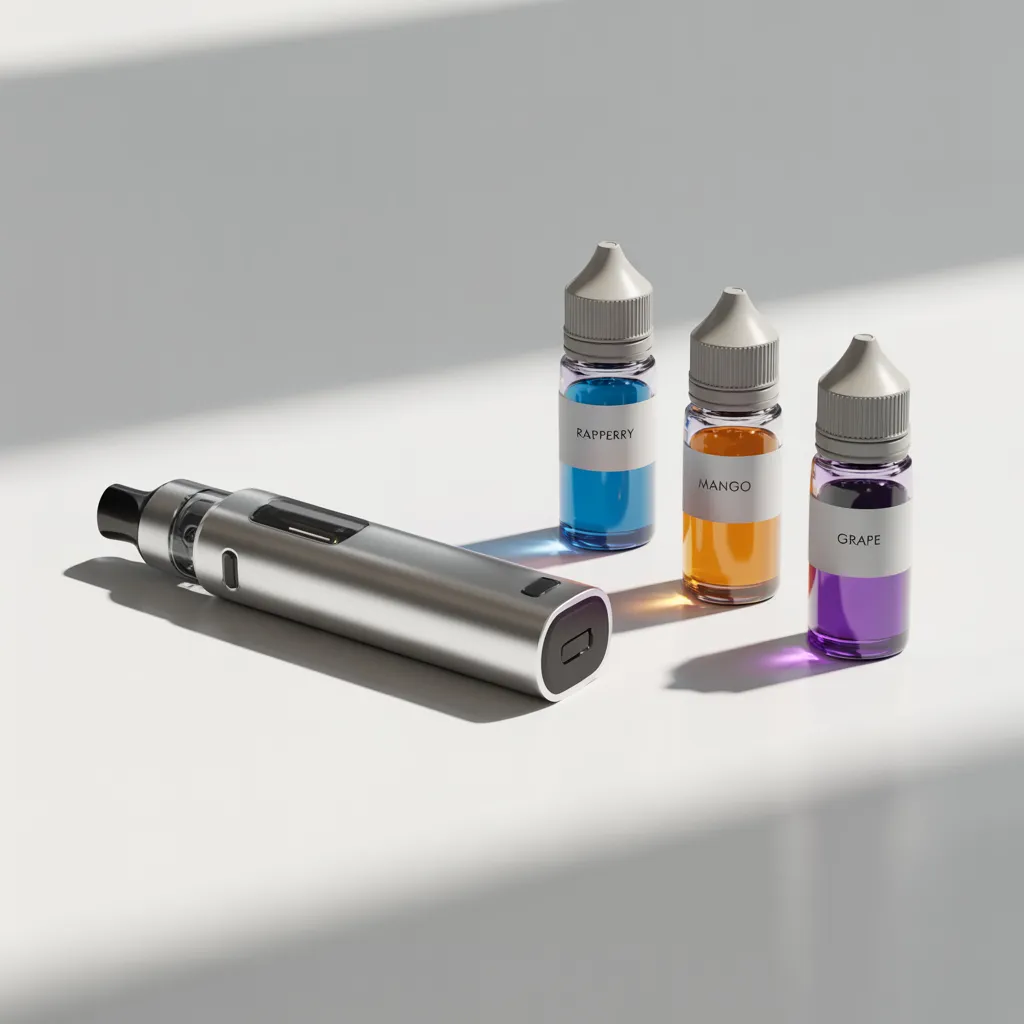
As awareness of the health risks associated with traditional smoking grows, numerous people are choosing vaping as what they consider a healthier option. This transition is fueled by several contributing elements, among them the allure of varied tastes and personalized settings that vaping devices deliver. Numerous users value the wide range of flavors, spanning from fruity to dessert-themed options, which make the experience far more pleasant than traditional tobacco. Moreover, vaping is commonly perceived as a more socially embraced habit, particularly within younger populations. The innovation within vaping devices additionally enables a degree of management over nicotine consumption, attracting individuals seeking to lower their intake steadily. In addition, the belief that vaping is less disruptive and produces fewer lasting odors than cigarette smoking adds to its growing appeal. Consequently, a wide variety of people, ranging from ex-smokers to those newly introduced to nicotine, are progressively transitioning to vaping.
Is Vaping Actually Safe? The Wellness Debate?
How does vaping measure up against conventional smoking in terms of safety? This inquiry has ignited substantial controversy among healthcare specialists and the general population. Even though vaping is commonly presented as a less harmful substitute for smoking, the actual situation is considerably more complicated. E-cigarettes typically contain fewer toxic substances than traditional cigarettes, which could theoretically reduce some health risks. Despite this, vaping remains a source of hazardous compounds entering the body, among them nicotine, which carries risks of addiction and potential cardiovascular concerns.
Emerging research has raised concerns about the lasting impacts of inhaling aerosolized substances, particularly since a large number of e-liquid ingredients lack sufficient research. Additionally, cases of vaping-related lung injuries have come to light, deepening the uncertainty about its overall safety. Ultimately, while vaping may present fewer risks than smoking, it is far from entirely risk-free, calling for cautious deliberation among users and policymakers.
Who Is Getting Into the Vaping Trend?
What types of people are attracted to vaping? Vaping attracts a wide variety of people, encompassing a wide range of demographics and backgrounds. Younger individuals, especially those between their late teens and early twenties, frequently look for substitutes to conventional cigarettes, seeing vaping as a trendy and modern personal choice. Many are motivated by the perception that vaping is less harmful and offers a customizable experience through various flavors and nicotine levels.
Additionally, smokers who have switched to vaping constitute a considerable segment. They may see it as a means to reduce nicotine consumption while still enjoying the act of inhaling. A sense of curiosity also compels many people, as vaping's social dimensions appeal to those wanting to engage with peers or venture into new experiences. The ease of access to vaping, paired with its perceived freshness, keeps attracting a wide range of individuals to the vaping community.
How Social Media Has Shaped Vape Culture
In what way does social media impact the vaping community? Social media platforms have become pivotal in promoting and normalizing vaping among various demographics. By sharing visually compelling content, influencers present vaping as a lifestyle decision, frequently highlighting its visual appeal and communal dimensions. Hashtags and challenges related to vaping create a sense of community, encouraging users to share their experiences and preferences. Furthermore, platforms such as Instagram and TikTok enable users to create and distribute tutorials, vaping tricks, and product evaluations, boosting the exposure of vaping products and brands.
This continuous exchange cultivates an environment where vaping is not just a routine but an outlet for personal identity. The widespread reach of social media amplifies trends, leading to swift changes in consumer preferences. Consequently, social media serves as a double-edged sword, both spreading knowledge about vaping and perhaps embellishing the activity, particularly among younger demographics.
The Ways Vaping Shapes Lifestyle Choices
Vaping has become a significant factor in shaping contemporary lifestyle choices, affecting everything from everyday social encounters to individual identity. For numerous individuals, vaping functions as a social bridge, encouraging bonds in both informal and formal contexts. The practice of vaping frequently generates a collective experience for participants, strengthening community ties and setting standards for social events.
Furthermore, vaping has redefined personal identity for certain people, distinguishing them from traditional smokers or non-smokers. The choice of flavors, devices, and brands empowers individuals to communicate their individual style, cultivating a sense of uniqueness.
Moreover, health-related views surrounding vaping have triggered behavioral changes; some users see it as a better substitute for cigarettes, while others embed it within fitness-oriented narratives. Ultimately, vaping influences preferences regarding social engagement, identity expression, and wellness, demonstrating its deep influence over contemporary ways of living.
Vape Shops: Social Centers for Vaping Fans
Within the ever-changing world of vaping culture, vape shops are now recognized as vital community hubs for enthusiasts. Such venues function as gathering places where individuals can come together around their common enthusiasm for vaping. Beyond merely selling products, vape shops frequently organize events, such as tastings and workshops, cultivating a sense of community among their customers.
The well-informed staff regularly offer helpful guidance into the most recent vaping devices and e-liquids, improving the overall vaping journey. This tailored service fosters trust and loyalty among the community. Additionally, vape shops often create welcoming environments, encouraging social interactions among customers, which may develop into lasting friendships and support systems.
As the vaping trend continues to grow, these establishments play a crucial role in forming a culture built on exploration and education. By focusing on community involvement, vape shops not only contribute to individual experiences but also help establish a vibrant, interconnected vaping culture.
Emerging Trends in Vape Culture
How will the future of vape culture evolve as technology and societal attitudes shift? As vaping technology advances, innovations such as smart devices and customizable options are likely to attract a wider audience. Improved user interfaces and application integrations could enable customized experiences, giving consumers the ability to monitor their usage and flavor choices. Furthermore, the increasing focus on health and well-being may redefine public perceptions, resulting in greater acceptance of vaping as a safer substitute for smoking.
Regulatory changes will further shape the landscape as legislators adopt more rigorous standards, brands may concentrate on clarity and product integrity, fostering a more responsible industry. Public perceptions could keep evolving, with vaping becoming more integrated into mainstream culture, comparable to the craft beverage or specialty drink movement. At its core, the path forward for vape culture will be characterized by a blend of technological innovation, regulatory oversight, and evolving public perceptions, forging a unique presence in modern culture.
Questions We Often Receive
Which Flavors Are Most Favored by Vapers Today?
Fruit flavors, especially berry, mango, and watermelon, lead the vaping market at present. Indulgent dessert flavors, like vanilla custard and rich chocolate, are also widely popular, attracting vapers who seek sweet and indulgent options.
How Much Does Vaping Typically Cost Monthly?
The monthly cost of vaping typically range from $30 to $100, based on consumption patterns, device selection, and e-liquid options. Frequent vapers could experience notable differences in spending based on individual habits and usage levels.
Do Age Restrictions Apply When Buying Vape Products?
There are indeed age restrictions when it comes to purchasing vape products. Across many areas, individuals must be at least 18 associated resource to 21 years old, depending on local laws, to legally buy vaping devices and related accessories.
Can Vaping Help People Quit Smoking Entirely?
Vaping might support some users in completely giving up smoking by serving as a less damaging option. Nevertheless, its results differ from person to person, and continued use of vaping can sustain nicotine reliance in certain individuals.
What Are Widespread Misconceptions About Vaping?
Widespread misunderstandings about vaping encompass the beliefs that it poses no health risks, that it lacks any harmful ingredients, and that it is solely a gateway to smoking. Such misconceptions can influence perceptions and behaviors surrounding vaping.